A 3D Rendering Colorful Room for Kids: Elevating Your Visual Branding
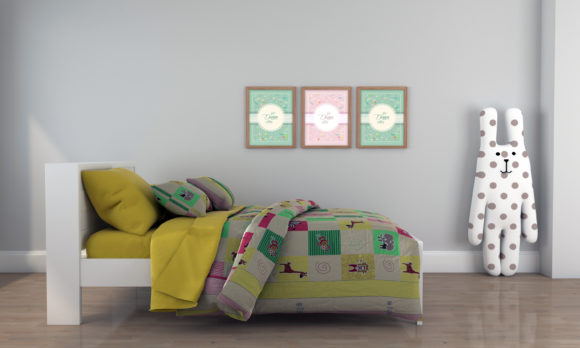
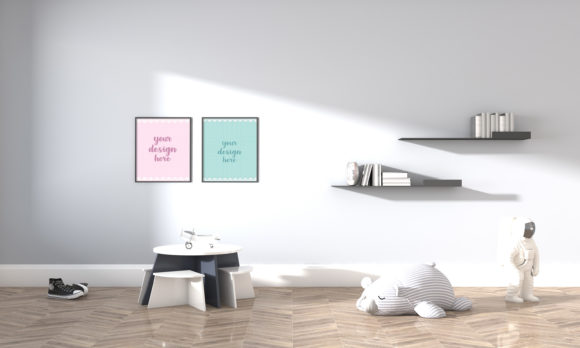
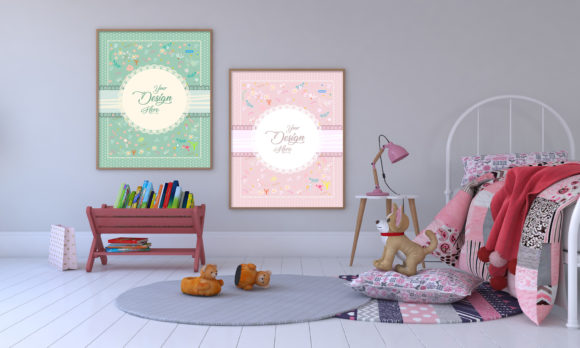
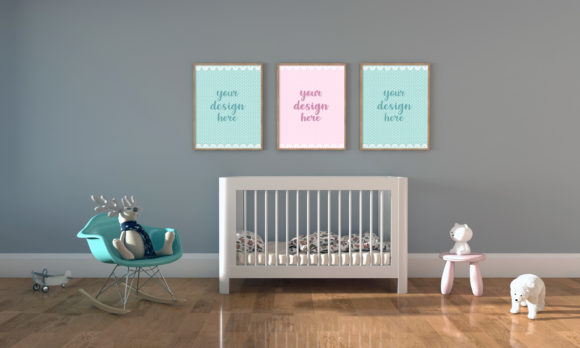
Imagine walking into a space that instantly sparks joy, creativity, and imagination. That is exactly what A 3D Rendering Colorful Room for Kids offers to the digital world. It is not merely an image; it is a dynamic stage where your artwork, photography, or branding comes to life with vibrant energy. This unique scene features a positive minimalist aesthetic mixed with bold, cheerful colors, creating an environment that feels both modern and welcoming. The room is designed with empty frames strategically placed on the walls, inviting you to step in as the creator and fill those spaces with your own vision.
For shop owners, artists, and creative professionals, the challenge often lies in presenting work in a context that resonates with viewers. A flat image of a painting or a photo can feel sterile on its own. By placing your creation inside this rendered room, you provide immediate context. You are no longer just showing a picture; you are showing how that picture transforms a living space. This approach bridges the gap between abstract art and tangible home decor, making it easier for potential customers to visualize the final result in their own homes.
Real-World Applications for Creative Professionals
The versatility of this mockup extends far beyond simple decoration. Different industries find unique ways to leverage this asset to tell their stories and sell their products. Consider the scenario of a graphic designer launching a new line of prints. Instead of posting a generic JPEG on Instagram, they can use this rendering to overlay their designs onto the wall frames. Suddenly, the print looks like a centerpiece in a child's bedroom, evoking emotions of warmth and family life. This emotional connection is powerful and drives engagement significantly higher than standard product shots.
Interior designers and architects also benefit immensely from this tool. When pitching a concept to a client, showing a room with empty frames allows them to demonstrate how specific color palettes or patterns would look without committing to a full renovation. They can experiment with different wallpapers, bold patterns, or soft pastries on the fly. If a client prefers a more subdued look, the designer can swap the colorful elements for something neutral while keeping the structural integrity of the room. This flexibility saves hours of time compared to building a 3D model from scratch every time a design changes.
Bloggers and content creators focused on parenting, home decor, or DIY projects have another winning strategy here. Imagine writing an article about "Top Trends in Nursery Design." Instead of using stock photos that everyone else has used, a blogger can insert their own curated images into these frames. This creates fresh, original content that stands out in search results and social feeds. It adds a layer of authenticity and personal touch that audiences crave. The high-resolution nature of the file ensures that even when zoomed in on a mobile device, the textures of the walls and the lighting remain crisp and professional.
Why This Mockup Saves Time and Money
In the fast-paced world of digital marketing, time is currency. Creating a realistic 3D scene from scratch requires specialized skills in modeling, texturing, lighting, and rendering. For many small business owners or freelancers, hiring a 3D artist for every single project is not feasible. This is where the efficiency of A 3D Rendering Colorful Room for Kids shines. With a single PSD file, you can achieve a photorealistic result in minutes rather than days.
The process is incredibly intuitive. Using a graphic editor like Photoshop, you simply open the Smart Object layer, place your artwork, save, and watch as it automatically wraps around the frame with realistic perspective and shadows. There is no need to worry about vanishing points or lighting adjustments manually. The software handles the heavy lifting, allowing you to focus on the creative aspect of your design. Over time, this reusability pays off. You can build a library of presentations, social media posts, and marketing materials by simply swapping out the images within the same high-quality scene.
Financially, this approach eliminates the recurring costs associated with custom renders. Once you have the file, you can reuse it indefinitely for multiple clients or campaigns. Whether you are promoting a limited edition wallpaper collection or showcasing a portfolio of children's illustrations, the asset remains constant while your content changes. This scalability makes it an ideal solution for growing businesses that need to maintain a consistent visual identity without breaking the bank.
Navigating Usage and Best Practices
While the possibilities are endless, there are practical considerations to keep in mind when working with this mockup. The resolution of 5000 x 3000 pixels is substantial, offering plenty of room for detail, but it requires a computer capable of handling large files efficiently. Users should ensure their hardware meets the requirements to avoid lag during the editing process. Additionally, understanding the lighting direction in the original render is crucial. When adding your own images, try to match the lighting and contrast of your artwork to the room's ambient light to maintain realism.
One limitation to consider is the specific theme of the room. Because it is designed as a colorful kids' room, it is most effective for brands targeting families, educators, or those selling playful, energetic designs. If your brand focuses on stark, industrial minimalism or somber adult themes, this particular setting might clash with your message. However, the minimalist background ensures that the focus remains on the frames, so as long as your artwork complements the colorful vibe, the integration will be seamless.
Another factor is the format compatibility. While the primary file is a PSD, having the JPEG version available is a lifesaver for quick previews or for platforms that do not support layered files. The JPEG provides a high-resolution view that is perfect for presentations or printed marketing materials where editing is not required. Knowing when to use which format can streamline your workflow significantly.
Maximizing Impact Across Platforms
The adaptability of this mockup allows for cross-platform consistency. On social media, vertical crops can highlight specific frames, drawing the eye directly to your product. On a website, the horizontal layout can serve as a stunning hero banner, immediately establishing the brand's aesthetic. For printed materials like brochures or flyers, the high resolution ensures that the details remain sharp, projecting professionalism and attention to detail.
Artists can use this to showcase their portfolios in a way that feels immersive. Instead of a grid of thumbnails, they can present their work as part of a cohesive narrative. Imagine a series of paintings displayed across the three visible frames in the room, telling a story through the sequence. This storytelling capability turns a static display into an engaging experience for the viewer.
Ultimately, the goal is to make your creation stand out in a crowded marketplace. By using A 3D Rendering Colorful Room for Kids, you are investing in a tool that combines artistic flair with practical utility. It respects the effort you put into your work by providing a stage worthy of it. Whether you are a seasoned pro or just starting out, this mockup offers a shortcut to excellence, allowing you to focus on what matters most: sharing your unique vision with the world.